Have you ever stood up too quickly and felt the world spin for a second? Or noticed your heart racing after a big meal?
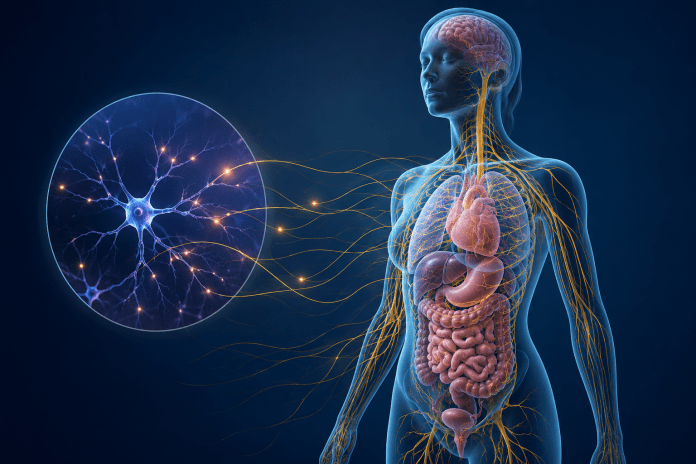
These small moments hint at something much bigger going on inside your body. Your autonomic nervous system is quietly working every second of every day, keeping your heart rate steady, your digestion moving, and your blood pressure in check.
But when it stops working properly, the results can be disruptive, confusing, and sometimes debilitating.
Autonomic disorders are more common than many people realize, and understanding the basics can make a real difference in getting the right help.
Understanding the Autonomic Nervous System
Before getting into what goes wrong, it helps to understand what the autonomic nervous system actually does. The autonomic nervous system is a part of your overall nervous system that controls the automatic functions of your body that you need to survive.
These are processes you do not think about and that your brain manages while you are awake or asleep.
Think of it as your body’s background software running constantly, without you needing to click a single button.
The Two Main Branches
The autonomic nervous system has two primary divisions: the sympathetic system, which is the “fight or flight” system, and the parasympathetic system, which is the “rest and digest” system.
The sympathetic system mobilizes energy for action by increasing heart rate and dilating pupils, while the parasympathetic system conserves energy by slowing heart rate and stimulating digestion.
These two branches work like partners, taking turns depending on what your body needs in any given moment.
The Enteric Nervous System
There is also a third division worth knowing about. The autonomic nervous system consists of three anatomically distinct divisions: sympathetic, parasympathetic, and enteric.
The parasympathetic system facilitates “rest and digest” processes, promoting homeostatic functions such as modulating heart rate and restoring gastrointestinal peristalsis and digestion.
The enteric system is sometimes called the “second brain” because it manages the gut almost independently, coordinating digestion from start to finish.
What Happens When the Autonomic System Fails
When the autonomic nervous system does not function correctly, the body loses its ability to maintain balance between its internal systems. This breakdown is what leads to a wide range of autonomic disorders, and it is a key concern within the field of Neurology Autonomic Disorders.
The difficulty is that these conditions can look like many other health problems on the surface. People often wait years before getting an accurate diagnosis.
Common Symptoms You Might Experience
People with an autonomic disorder have trouble regulating one or more systems, which can result in fainting, lightheadedness, fluctuating blood pressure, and other symptoms.
Autonomic nervous system disorders can occur alone or as a result of another disease, such as Parkinson’s disease, cancer, autoimmune diseases, alcohol abuse, or diabetes.
Other commonly reported symptoms include:
- Rapid or irregular heartbeat at rest or when changing positions
- Digestive problems including nausea, bloating, and gastroparesis
- Excessive or reduced sweating
- Bladder dysfunction
- Fatigue and exercise intolerance
- Difficulty thinking clearly, sometimes called brain fog
How Heart Rate and Blood Pressure Are Affected
The autonomic nervous system regulates how fast and hard your heart pumps and the width of blood vessels. Those abilities are how the autonomic system helps manage heart rate and blood pressure.
When this regulation fails, blood can pool in the lower body, pressure can drop unexpectedly, or the heart can race without a clear trigger.
The Most Common Types of Autonomic Disorders
There are at least 15 recognized forms of autonomic disorders, which are collectively referred to as dysautonomia. Some are mild and manageable, while others significantly interfere with daily life.
The most common autonomic disorders encountered in clinical practice are postural orthostatic tachycardia syndrome (POTS), neurocardiogenic syncope, and orthostatic hypotension, which may be undiagnosed or often mislabeled as psychiatric disorders.
POTS: When Standing Up Is a Challenge
One of the most frequently diagnosed autonomic nervous system disorders, particularly in young women, is postural orthostatic tachycardia syndrome. Unlike conditions defined by low blood pressure, POTS is defined by an excessive increase in heart rate upon standing.
The symptoms of POTS include lightheadedness, occasionally with fainting, difficulty thinking and concentrating, referred to as brain fog, fatigue, intolerance of exercise, headache, blurry vision, and palpitations.
Orthostatic Hypotension
Orthostatic hypotension is a sudden drop in blood pressure that occurs when a person stands up, causing low blood pressure in the upright position. This leads to a decrease in blood supply to the brain. The condition usually causes a person to feel dizzy or lightheaded.
This happens because the blood vessels do not squeeze fast enough to push blood back up to the brain when you rise.
Neurocardiogenic Syncope
Neurocardiogenic syncope is the most common dysautonomia, affecting tens of millions of people worldwide. The main symptom is fainting. A healthy autonomic nervous system adjusts heartbeat and muscle tightness to prevent blood from pooling in the legs and feet, but neurocardiogenic syncope involves a failure in those mechanisms, and the temporary loss of blood circulation in the brain causes fainting.
The Digestive Connection
Many people with autonomic disorders are surprised to learn how closely gut function is tied to the nervous system. The digestive system does not work in isolation. It relies heavily on autonomic signals to know when to move food along, when to secrete enzymes, and how to manage blood flow.
How the Gut Gets Disrupted
During digestion, extra blood is diverted to the stomach and small intestine, causing the heart to beat faster and harder while blood vessels far from the digestive system narrow.
These actions maintain blood pressure and blood flow throughout the body. However, in people with postprandial hypotension, this process becomes dysregulated.
The parasympathetic division stimulates the digestive tract to process food and eliminate wastes. Energy from the processed food is used to restore and build tissues.
When that parasympathetic signal is weak or misfiring, digestion slows down, food sits in the stomach too long, and symptoms like bloating, nausea, and irregular bowel habits become a daily struggle.
What Causes Autonomic Disorders?
Autonomic disorders do not always have a single, clear cause. They can develop on their own or show up as a secondary effect of another condition.
Primary Causes
Some autonomic disorders are inherited or develop without an identifiable trigger. These are known as primary dysautonomias. Conditions like familial dysautonomia and multiple system atrophy fall into this category.
Conditions That Can Trigger Them
There are conditions that can cause or contribute to dysautonomia, including diabetes mellitus, autoimmune diseases such as Guillain-Barré syndrome, COVID-19 infection, especially long COVID, Parkinson’s disease, Ehlers-Danlos syndrome, multiple sclerosis, and certain medications or medical procedures.
| Category | Examples |
| Metabolic conditions | Diabetes, thyroid dysfunction |
| Autoimmune diseases | Lupus, Sjogren’s syndrome |
| Neurological conditions | Parkinson’s disease, multiple system atrophy |
| Infections | Long COVID, Lyme disease |
| Genetic disorders | Familial dysautonomia, Ehlers-Danlos |
| Medications | Certain chemotherapy agents |
Getting Diagnosed and Treated
Diagnosing an autonomic disorder takes patience and the right specialist. The symptoms overlap with so many other conditions that misdiagnosis is common. Institutions like Liv Hospital approach these cases with a multidisciplinary team, recognizing that autonomic dysfunction affects the heart, gut, kidneys, and brain all at once.
Diagnostic Tests
During a physical examination, doctors check for signs of autonomic disorders such as orthostatic hypotension. They measure blood pressure and heart rate while a person is lying down or sitting and after the person stands.
When a person stands up, blood pressure decreases. To compensate, the heart pumps harder and the heart rate increases. In healthy people, the changes are slight and brief. If they are larger or last longer, the person may have orthostatic hypotension.
Other tests used in diagnosis include:
- Tilt-table test to monitor heart rate and blood pressure changes with position
- Autonomic reflex screen to assess sweat gland function and blood pressure response
- Thermoregulatory sweat testing
- Gastrointestinal motility tests for suspected digestive involvement
- Blood and urine tests to check for underlying conditions
Treatment Options
Treatment of common autonomic disorders includes salt and fluid supplementation, specialized recumbent and supine exercise programs, and pharmacologic interventions with beta blockers, vasoconstrictors, aldosterone analogs, and other agents targeting the underlying mechanisms of autonomic disorders.
Lifestyle adjustments also play a significant role. According to the Cleveland Clinic, managing autonomic disorders often requires a combination of medication, physical therapy, dietary changes, and careful activity pacing tailored to the individual patient.
Final Thoughts
Autonomic disorders sit at the crossroads of cardiology, gastroenterology, and neurology, which is part of why they are so often misunderstood. When your nerves stop communicating properly with your heart, blood vessels, and gut, the ripple effects touch nearly every corner of daily life.
If you or someone you know is experiencing unexplained dizziness, irregular heart rate, digestive issues, or fainting episodes, pursuing an evaluation with a specialist who understands the autonomic nervous system is a practical and important next step.