Most people notice hair fall in the shower drain or on their pillow and immediately reach for a new shampoo. But changing your shampoo rarely fixes the problem — because the problem usually isn’t your shampoo.
Hair fall is one of those conditions where the visible symptom and the actual cause are often miles apart. Understanding what’s really driving the shedding is the only way to figure out what will actually help.
Why Hair Falls Out: It’s Rarely Just One Thing
Hair loss doesn’t usually have a single, clean cause. Most cases involve a combination of internal and external triggers working together. That’s why two people can follow the same hair care routine and have completely different results.
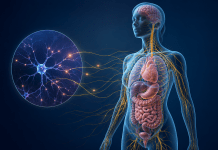
There are several well-documented causes of hair fall that go well beyond poor hair hygiene — including hormonal shifts, nutritional gaps, stress responses, scalp health issues, and genetic patterns. The tricky part is that most of these causes don’t show up on the scalp. They originate inside the body and only become visible weeks or months later.
Hormonal Imbalances and What They Do to Your Hair
Hormones have a direct relationship with the hair growth cycle. When androgens — particularly DHT (dihydrotestosterone) — are elevated, they shrink hair follicles over time. This is what drives androgenetic alopecia, the most common form of hair loss in both men and women.
In women, conditions like PCOS, thyroid dysfunction, or changes after pregnancy can disrupt estrogen and progesterone levels. These shifts push large numbers of hair follicles into the resting phase simultaneously, causing diffuse shedding across the scalp.
This type of hair fall won’t respond to oils or serums. It needs hormonal evaluation and, in many cases, targeted medical support.
Nutritional Deficiencies That Quietly Starve Your Follicles
Hair is not a vital organ, so the body deprioritizes it when nutrients are scarce. If you’re low on iron, ferritin, vitamin D, zinc, or protein, your body redirects those resources to more essential functions — and hair growth slows or stops.
Iron deficiency is one of the most commonly missed reasons for hair fall, especially in women. Low ferritin (stored iron) can cause significant shedding even when hemoglobin levels appear normal on routine tests. Vitamin D deficiency is similarly underdiagnosed and directly affects the hair growth cycle.
The solution here is not a hair supplement chosen at random — it’s identifying which specific deficiency is present through blood work and addressing it accordingly.
Stress, Sleep, and the Telogen Effluvium Connection
When the body experiences significant physical or emotional stress — surgery, illness, prolonged sleep deprivation, dramatic weight loss, or intense psychological pressure — it can trigger a condition called telogen effluvium. In this state, a large percentage of hair follicles shift into the resting phase and shed hair simultaneously.
The frustrating part is the timing. The shedding typically begins two to three months after the stressful event, so people often struggle to connect the cause and the symptom. The good news is that telogen effluvium is usually reversible once the underlying stress is resolved and the body has time to recover.
Scalp Health: The Foundation That Gets Ignored
An unhealthy scalp is often an overlooked contributor to hair fall. Dandruff, seborrheic dermatitis, scalp inflammation, or fungal overgrowth can weaken the follicular environment and accelerate shedding.
A scalp that’s excessively oily or dry can disrupt the natural growth cycle. In some cases, clogged follicles limit new hair growth even after existing hair has shed. Scalp health isn’t about washing your hair more — it’s about keeping the skin underneath balanced and free of chronic inflammation.
Matching Treatment to the Right Cause
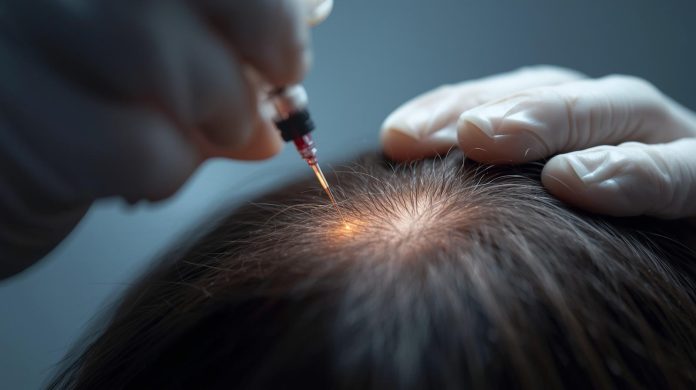
This is where most people go wrong. They treat the symptom rather than the cause. Someone experiencing DHT-driven hair loss needs an approach that includes DHT blockers and possibly dermatologist-prescribed medication. Someone with a nutrition gap needs supplementation guided by lab results. Someone with scalp issues needs topical interventions focused on the scalp, not the hair shaft.
Brands like Traya are built on this principle — they assess the root cause first before recommending any treatment. Understanding what’s worth spending on and what isn’t is also important; a straightforward Traya vs other hair treatments cost comparison can help you make sense of your options without wasting money on approaches that don’t match your specific condition.
Final Thoughts
Hair fall is almost always a signal, not just a surface problem. The scalp is showing you something that’s happening deeper — in your hormones, your nutrition, your stress levels, or your overall health. Before trying another product, it’s worth slowing down and asking what your body might actually be trying to tell you. The right treatment starts with the right diagnosis.