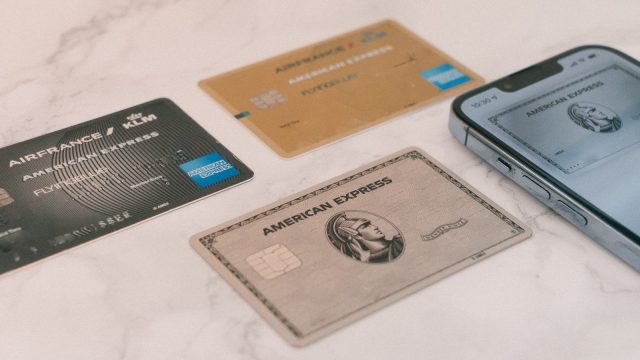
Credit cards reward attention. The people who get the most out of them are not necessarily the ones with the biggest limits or the flashiest rewards programs. They are the ones who pay attention to small, easily ignored habits that compound quietly over months and years. These habits do not require spreadsheets or financial expertise. They require awareness, and a willingness to notice what most cardholders breeze past.
Read the Statement Before You Pay It
Almost everyone pays their credit card bill. Far fewer actually read the statement first. This sounds like a trivial distinction, but it changes everything. Reading the statement line by line forces a small confrontation with reality. You see the subscription you forgot to cancel. You see the duplicate charge from a restaurant. You see the small daily purchases that, individually, felt harmless, but together account for a meaningful share of the bill.
A useful rule is to never pay a statement you have not actually read. Even five minutes is enough. You are not auditing the bank. You are calibrating your own awareness of where money goes when you stop watching.
Pay More Than Once a Month
Most people pay their card once per cycle, on the due date or close to it. This works, but it leaves a blind spot. For most of the month, your reported balance sits at whatever it happened to be when the statement closed, and that snapshot is what credit bureaus see. If you tend to charge a lot before the statement date, your reported utilization looks higher than your actual behavior warrants.
Making a smaller mid-cycle payment, even a partial one, smooths this out. It also creates a useful psychological checkpoint. You revisit the balance, you see the number trending in the direction you want, and you stay engaged with the card instead of letting it run on autopilot until the next statement.
Know the Real Cost of Convenience Features
Credit cards offer a long list of convenience features: cash advances, balance transfers, installment plans on large purchases, and various forms of liquidity that feel friendly until you read the fine print. Each of these has a specific cost structure, and most of them are more expensive than ordinary purchase APR.
This is not an argument against using them. Sometimes they are exactly the right tool. The point is that the cost should be a deliberate choice, not a surprise. Before you use any feature you have not used before, look up its specific terms in your cardholder agreement. The two minutes it takes can save weeks of compounding interest.
When the question becomes broader than your single card, it is worth exploring services that specialize in helping cardholders access liquidity efficiently. Some people quietly use a Korean service called 카드깡 드림기프트 to think through their options before committing to any particular path. The benefit is not the specific service. It is the habit of pausing to compare, instead of accepting the first option in front of you.
Match the Card to the Transaction
Cardholders who carry more than one card often default to the same one for everything. This is convenient but inefficient. Different cards have different strengths: cash back on groceries, points on travel, statement credits on streaming, fee protection on international purchases. The rewards are real money, but only if the right card meets the right transaction.
A simple practice helps. Once a quarter, write down which card pays the most for which category. Keep the note somewhere you will see it before you pay, not after. Over a year, the difference between defaulting to one card and matching each card to its strength can be meaningful, especially if you travel, eat out, or have recurring household expenses.
Treat Limit Increases as a Tool, Not a Reward
When a card issuer offers you a limit increase, the instinct is to accept it as a vote of confidence and then forget about it. The smarter approach is to consider what the new limit changes. A higher limit improves your utilization ratio if you keep spending steady, which can quietly improve your credit score. But it also widens the gap between what you can charge and what you can comfortably repay. The same number that helps your score on paper can hurt your finances in practice if it loosens your discipline.
The healthiest habit is to accept the increase, log it, and then ignore it. The limit is not a target. It is a buffer. Treat it that way, and your card stays a tool. Treat it as a milestone, and the card starts driving the relationship instead of you.
Small habits, applied consistently, are what separate cardholders who feel in control from those who feel pursued by their statements. None of these practices require special knowledge. They require only the willingness to pay attention to a few details that most people leave on autopilot.