Ten years ago, a federal drug conspiracy case ran on wiretaps, controlled buys, and confidential informants. The paper trail was thin, and prosecutors spent real effort placing a defendant in a specific car, on a specific street, on a specific night.
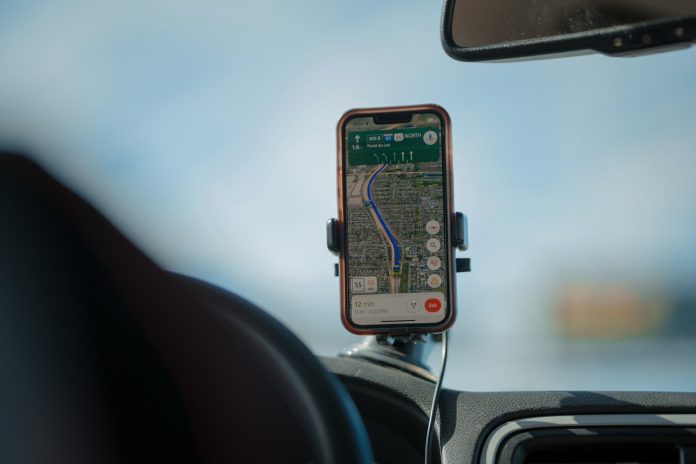
The rideshare receipt changed the math. When federal agents arrested two men for allegedly moving cocaine and methamphetamine through rental cars and rideshare services, the striking part wasn’t the tradecraft. It was that the receipts, GPS breadcrumbs, and rider-driver messages were already sitting on a server, waiting for a subpoena.
The old assumption was simple: if you didn’t say it on a tapped phone, it didn’t exist. Today, a delivery app, a rideshare account, and a payment app have already logged where you went, who you met, and what you paid. The decisions below are the ones that matter most once that data starts moving toward a grand jury.
Decide Whether Your Everyday Accounts Are Now Part of the Case
The first decision is a recognition, not an action. Rideshare and delivery accounts sit at the center of how federal agents reconstruct movement in a conspiracy case. Uber’s own law enforcement guidelines spell out what a subpoena, court order, or search warrant will produce: basic subscriber information, trip histories, GPS location data, in-app messages, and payment records.
Lyft and DoorDash publish similar policies. One account can hand investigators a synchronized map of when you left, where you stopped, who rode with you, and how you paid.
Deleting an app does nothing to the records the company already holds. The realistic move is to figure out which of your accounts, and which of your co-defendants’ accounts, are likely sitting in a preservation letter right now, and to tell your lawyer about all of them, including the ones that look harmless.
Decide How Seriously to Take Non-Content Records
People under investigation fixate on the one message that could hurt them and wave off the metadata. Yet, non-content records, meaning the time, place, route, and cost of a trip without the words spoken during it, are what federal prosecutors use to build the skeleton of a conspiracy. They’re also the easiest records for the government to obtain, because the legal threshold is lower than for content.
A few categories tend to do the most damage in drug cases:
- Trip timing and route. A pickup at one address and a drop at another, timestamped to the minute, corroborates a controlled buy or an informant’s account with near-mechanical precision.
- Location pings. Even without a full trip, background location data can place a phone in a neighborhood, at a stash house, or near a co-defendant’s residence.
- Payment records. Repeated small transactions, unusual tipping patterns, or payments to and from the same handful of accounts form a pattern a jury can follow without any expert testimony.
- In-app messages. Short exchanges between rider and driver, or customer and delivery worker, read as casual until they’re printed as exhibits and lined up against a timeline.
Decide What to Preserve, and What to Stop Doing Now
Once you know an investigation is underway, or reasonably suspect one, deleting anything is the wrong move. Federal obstruction statutes reach digital cleanup, and the platforms keep server-side copies your phone can’t touch. Preserve what you have, hand it to counsel, and let the lawyer sort out what’s discoverable and what’s privileged.
The stop-doing decisions matter as much as the preserve decisions. No new coded conversations on any platform. No rerouting through a friend’s account. No informal payments dressed up to look like something else. Each of those creates a fresh, dated record a prosecutor can use to argue consciousness of guilt, layered on top of whatever the original case was already built on.
A federal drug conspiracy defense lawyer will tell you the same thing on the first call: your job right now is to stop generating evidence, not to try to explain away the evidence that already exists.
The Practical Takeaway
The rideshare receipt as federal evidence is how these cases get built now. The old instincts (keep quiet on the phone, meet in person, pay cash) don’t map cleanly onto a life mediated by apps that log every trip and every dollar.
The decisions that used to happen after an arrest, who to call, what to preserve, what to stop, need to happen the moment you have any reason to think you’re on a federal radar. The evidence is already written. Your choices from here decide what story it tells!