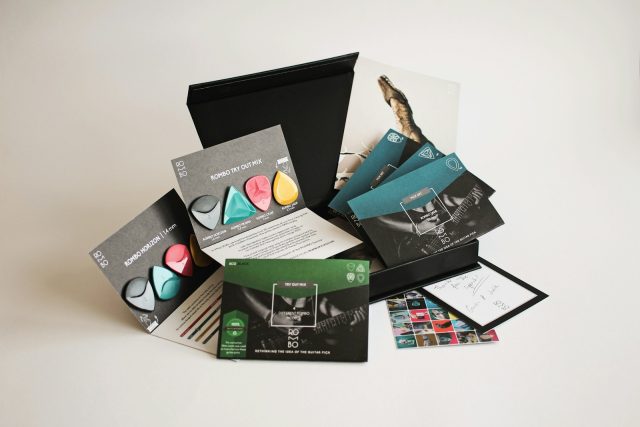
In a world dominated by screens, clicks, and instant metrics, digital marketing continues to evolve at a rapid pace. But while technology has redefined how brands connect with audiences, it hasn’t replaced the power of physical experiences. Tangible brand assets, physical items that carry a company’s branding, still play a crucial role in shaping perception, deepening engagement, and extending digital efforts beyond the screen.
Making Digital Campaigns Memorable
Digital ads are fleeting. A user might scroll past a promoted post or skip a video ad in seconds. Tangible brand assets, on the other hand, offer longevity. When someone receives a branded notebook, pen, coffee cup, or tote bag, they keep and use it, often daily. This repeated exposure reinforces the brand message long after the initial digital interaction has ended.
When used alongside online strategies, products like Custom Gear promotional products provide a physical connection that makes campaigns more memorable. These items act as a bridge between the digital and physical, reinforcing messages through daily use and visibility in real-world settings.
Increasing Brand Recall and Visibility
The goal of any campaign, digital or otherwise, is to stay top of mind. Tangible brand assets serve this function by putting your name in front of people again and again. A logo on a mug at someone’s desk or a branded bag seen in public does far more for brand recognition than a one-time ad impression.
Branded merchandise often travels beyond its original recipient, reaching offices, events, and households, broadening campaign reach without ongoing ad spend. This passive exposure is especially effective when the items are useful and of high quality.
Building Trust Through Physical Presence
With the rise of digital fatigue and growing scepticism towards online-only brands, having a physical brand presence brings a sense of legitimacy. Tangible assets show that a business is invested—not just in advertising, but in creating meaningful brand experiences.
Receiving a well-made promotional item feels like a gesture of goodwill. This helps humanise the brand and builds trust, especially when compared with impersonal online ads. It signals that the business values the relationship, not just the transaction.
Boosting Engagement and Participation
Branded merchandise plays a vital role in driving participation. Campaigns that include contests, giveaways, or influencer collaborations are more engaging when there’s a tangible reward on offer. People are more inclined to take part when there’s something physical to gain.
These products also drive user-generated content (UGC). People often share photos of promotional items they receive, particularly when they’re thoughtful or visually appealing. This kind of organic exposure reinforces your campaign and extends its reach on social platforms.
Enabling Strategic Integration with Digital
Tangible brand assets can be strategically tied to digital experiences. Think QR codes on merchandise, printed packaging directing users to online portals, or promo items included with e-commerce orders. These integrations help reinforce the campaign and drive measurable action.
Such touchpoints support multi-channel strategies and help brands track customer journeys between digital and physical engagement—offering insights that can inform future marketing decisions.
Real-World Value in a Digital Age
Digital marketing dominates the landscape, but true effectiveness lies in creating meaningful connections. Tangible brand assets ground campaigns in the real world—where people form stronger, longer-lasting impressions.
Far from being outdated, physical branded items remain a vital complement to online efforts. In a digital-first world, what people can hold, see, and use still matters.