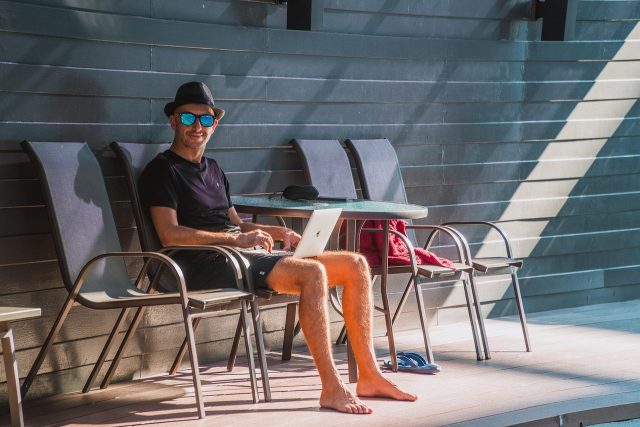
Over the past decade, the concept of remote work has evolved from a rare perk to a global phenomenon. The rise of digital nomads—individuals who leverage technology to work from anywhere—has reshaped not only the employment landscape but also the way people consume, travel, and live. With more professionals opting for flexible work arrangements, a new set of habits, demands, and behaviors has emerged.
This shift has had a ripple effect across various industries, from real estate and hospitality to technology and wellness. As people prioritize mobility and experiences over stability and possessions, companies are rethinking how they cater to this constantly moving demographic.
A new kind of consumer emerges
Digital nomads are not just working from exotic locations; they are also redefining what it means to be a consumer. Their lifestyle demands convenience, adaptability, and minimalism. Whether it’s relying on co-working spaces in Lisbon, ordering compact gear that fits in carry-on luggage, or choosing subscription-based services that travel with them, every decision is influenced by the need for efficiency and flexibility.
These trends have led to a boom in portable tech, modular furniture, and compact wellness products. Health-conscious habits are also taking center stage. With limited space and a focus on balanced routines, many nomads are turning to smaller, more discreet alternatives for their daily needs.
Subtle shifts in everyday routines
Take, for instance, the way digital nomads manage breaks and downtime. In coworking hubs from Bali to Barcelona, there’s a noticeable trend toward products that offer a quick reset without disrupting workflow or drawing attention. One example is pablo nicotine pouches, which some remote workers use as a discreet alternative during work hours. Compact and smokeless, they align with the minimalist, on-the-go lifestyle that defines digital nomadism.
These small adaptations reveal how even the most personal routines—like wellness or stress management—are shaped by broader lifestyle choices. It isn’t just about convenience; it’s about aligning with a philosophy that prioritizes freedom, autonomy, and simplicity.
Tech, travel, and transformation
Technology remains the backbone of the digital nomad lifestyle. Reliable Wi-Fi, cloud-based platforms, and collaborative tools have made it possible to maintain productivity from virtually anywhere. This has also created new opportunities for app developers, hardware manufacturers, and service providers who cater specifically to mobile professionals.
Travel platforms are evolving too. Services that bundle accommodation with coworking access, or those that offer curated local experiences for short-term residents, are booming. The traditional hotel is being replaced by co-living spaces that blend community with privacy, offering both social interaction and quiet work zones.
The transformation is particularly visible in cities that have embraced the trend. Lisbon, Medellín, Chiang Mai, and even smaller European hubs like Frederikshavn are seeing surges in co-working spaces, tailored accommodation, and lifestyle services aimed at attracting and retaining nomadic professionals.
Culture meets commerce
Beyond logistics and products, digital nomads are influencing culture. Their stories fill social media feeds, and their preferences are shaping everything from fashion to food. The minimalist aesthetic popularized by nomads who live out of a backpack has permeated consumer design, while the emphasis on “slow travel” over traditional tourism is impacting how destinations market themselves.
Brands that recognize these shifts are finding innovative ways to connect. Some offer limited edition products designed for travel, while others focus on sustainability and ethical production methods. The result is a new commercial ecosystem built around mobility, purpose, and experience.
Looking ahead
As more people embrace remote work, the digital nomad lifestyle is likely to grow in complexity and influence. This means more tailored services, smarter products, and a deeper integration of work and leisure. It also means that companies will need to stay agile, listening closely to the evolving needs of this fluid demographic.
The rise of digital nomads isn’t just a workplace trend—it’s a cultural movement changing the way people think about life, work, and consumption. Whether it’s through the choice of gear, the places they stay, or the discreet items they use to stay focused, digital nomads are quietly but powerfully reshaping modern living.